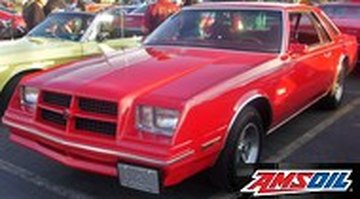
Lubrication Maintenance for the 1981 Chrysler CORDOBA 5.2L
Maintaining a vehicle from the early 1980s requires a shift in perspective compared to modern automotive care. For owners of a 1981 Chrysler CORDOBA equipped with the 5.2L engine, routine lubrication service is a cornerstone of long-term mechanical health. Because older engine designs and seal materials react differently to fluids than contemporary systems, consistent monitoring and the use of appropriate lubricants are essential for preserving the integrity of the powertrain.
Monitoring Fluid Integrity and Condition
A primary aspect of engine care involves observing the physical state of the lubricant during regular checks. The appearance and consistency of the oil can provide significant clues regarding the internal environment of the 5.2L engine. When performing a routine check, it is useful to look for several indicators:
- Color and Clarity: While oil naturally darkens as it accumulates contaminants through use, an extremely rapid change in color or a milky appearance can warrant closer investigation.
- Odor: Unusual scents emanating from the crankcase may indicate that the lubricant has been exposed to extreme heat or other external factors.
- Consistency: Significant thinning of the fluid or the presence of particulate matter can suggest that the oil is no longer performing its intended role in reducing friction and managing thermal loads.
If any significant changes in the lubricant's appearance are noted, it is advisable to investigate the cause rather than simply adding more fluid. Such changes may be associated with various operating conditions or maintenance requirements.
Observing Potential Warning Signs
Identifying issues early can prevent more extensive mechanical complications. For a 1981 Chrysler CORDOBA, owners should remain vigilant for symptoms that suggest the lubrication system requires attention. It is important to remember that many different factors can cause similar symptoms, so observations should be treated as starting points for further inspection.
Visible evidence of fluid seepage around the engine block or near sealing surfaces is a primary indicator that gaskets or seals may be aging. Similarly, if you notice an unusual increase in how often the oil level must be checked, this could indicate that the engine is consuming more lubricant than usual. Furthermore, any unexpected mechanical noises that coincide with changes in operating temperature should be investigated promptly. While these signs do not definitively point to a single failed component, they serve as critical signals that the vehicle's maintenance baseline may need adjustment.
Prioritizing Long-Term Engine Care
As vehicles age, the strategy for maintenance often shifts from simple part replacement to condition-based monitoring. For an owner of a 1981 Chrysler CORDOBA, establishing a clear history of service is one of the most effective ways to manage the vehicle's longevity. If you are stepping into ownership of a vehicle with an incomplete service history, your first priority should be to establish a baseline.
This involves performing a thorough inspection of all accessible components and documenting the current state of all fluids. Once a baseline is set, you can more easily identify deviations from the norm. Rather than following a rigid schedule based solely on the age of the vehicle, focus on the actual condition of the mechanical parts. For example, inspecting aging hoses or checking the tension and condition of accessible belts, if equipped, allows for a more proactive approach to maintenance. Addressing active leaks or addressing signs of previous neglect early can prevent these minor issues from escalating into larger repair projects.
Managing Aging Seals and Gaskets
The materials used in gaskets and seals during the early 1980s are subject to the effects of time, heat cycles, and chemical exposure. Over many years, these components may lose their ability to maintain a perfect seal. When inspecting the engine area, look for signs of seepage or "wet" areas around various junctions.
It is helpful to distinguish between minor surface seepage and active leaks that result in significant fluid loss. Some high-mileage oil formulations contain additives intended for use in aging engines, including seal-conditioning additives that may assist in maintaining the pliability of certain materials. However, these should be used as part of a broader maintenance strategy rather than as a substitute for addressing mechanical wear. Regular visual inspections of the engine's exterior surfaces can help you stay ahead of potential leaks before they impact the vehicle's operation.
Effective Record Keeping for Ownership
Maintaining a detailed log of all lubrication services, filter changes, and fluid replacements is invaluable for the long-term owner of a 1981 Chrysler CORDOBA. A well-documented history provides several benefits:
- Trend Analysis: It allows you to see if oil consumption or leakage is increasing over time, which helps in predicting future maintenance needs.
- Service Verification: Having a record of exactly what products were used and when they were applied ensures that you do not inadvertently use an incorrect specification.
- Resale Value: For enthusiasts and collectors, a documented history of consistent maintenance is often a significant factor in the vehicle's perceived value.
By treating maintenance as a continuous process of observation and documentation, you can manage the complexities of an older engine with greater confidence.
Practical Guidance for Buying Engine Oil for your 1981 Chrysler CORDOBA 5.2L
When it is time to replenish or change the lubricant in your 1981 Chrysler CORDOBA 5.2L, the most important step is to ensure the product matches the specific requirements of your engine. Because different engines require different fluid properties for optimal performance and protection, you should never rely on general automotive knowledge or assumptions based on the vehicle's age.
Always match the engine oil to the application-specific viscosity information shown above on this page. Before finalizing your purchase, carefully check the product labeling to verify that the oil meets the necessary quality standards and certifications. Depending on your specific driving habits and the current condition of your engine, you may choose between conventional, synthetic blend, or full synthetic formulations. Additionally, if your engine shows signs of significant age, you might consider high-mileage formulations that include specialized additives. Regardless of the type you select, the primary goal is to adhere strictly to the viscosity and application details provided in the technical data for this specific 5.2L application.